Halo Infinite Cutscenes: The Cinematic Soul of a Reclaimer Saga
🎬 The cutscenes in Halo Infinite are not mere narrative bridges; they are meticulously crafted cinematic experiences that redefine the emotional core of the franchise. Following the tumultuous events of Halo: The Master Chief Collection, 343 Industries faced the monumental task of both honoring the past and forging a new path. This exclusive, in-depth analysis unpacks every frame, from the gut-wrenching prologue to the hauntingly ambiguous ending, revealing how these cinematics masterfully blend visual spectacle, character intimacy, and profound thematic weight to deliver the most personal Master Chief story ever told.

Fig. 1: A masterclass in visual storytelling — The quiet tension aboard the Pelican defines Halo Infinite's new character dynamics. © 343 Industries/Microsoft
🔥 Prologue & The Fall of the Infinity: A Masterclass in Tone-Setting
The opening minutes of Halo Infinite are a stark departure from the triumphant conclusions of earlier games. The campaign throws players into immediate, visceral chaos. The cinematic opening aboard the UNSC Infinity is a symphony of desperation. The audio design—the groaning of metal, the frantic comms chatter, the thunderous impact of Banished boarding craft—creates an overwhelming sense of siege. This immediate crisis sets the stage for the game's core theme: enduring failure and finding hope in the wreckage.
From a technical standpoint, the shift from gameplay to the first cutscene is nearly seamless, a testament to the Slipspace Engine's capabilities. The camera work is intentionally disorienting, using Dutch angles and shaky-cam techniques not for mere spectacle, but to mirror the disarray and shock experienced by the crew. This deliberate visual language immediately tells the player: the rules have changed. The once-invincible symbol of human resilience, the Infinity, is being torn apart. This catastrophic defeat perfectly contextualizes the open-world structure of the Halo Infinite campaign that follows—you are not conquering, you are reclaiming.
🎭 Atriox's Return: More Than a Villain's Entrance
The confrontation between Master Chief and Atriox is arguably one of the most significant cutscenes in the entire franchise. It serves multiple critical narrative functions:
- Power Recalibration: For the first time, players witness Chief being overpowered in a straight fight. The brutal, one-sided beating dismantles the "untouchable super-soldier" myth, grounding the character in vulnerability.
- Establishing the New Threat: Atriox isn't just strong; he is intelligent, deliberate, and contemptuous. His dialogue isn't grandiose evil monologuing—it's a cold, analytical assessment of Chief's failures. He doesn't see a demon; he sees a relic.
- Thematic Catalyst: Atriox's line, "The war is over. Lost." isn't just a taunt; it's the thesis statement for the first half of the game. This defeat is the inciting incident that forces Chief into a new, more introspective role.
This scene's impact is amplified by its connection to the broader Halo games timeline, particularly the events surrounding the release date of Halo Wars 2 where Atriox was first introduced. His transition from a strategic RTS commander to a physically overwhelming cinematic presence is complete.
💡 EXCLUSIVE INSIGHT: Data mined from the game files suggests the prologue's original edit was even longer, featuring more doomed resistance from Marine squads. The final, more focused cut highlights Chief's isolation, making his eventual connection with the Pilot and The Weapon more impactful.
🌟 The New Trinity: Chief, The Pilot, & The Weapon
The heart of Halo Infinite's narrative beats within the confines of the Pelican, Echo-216. The cutscenes featuring Master Chief, Fernando Esparza (The Pilot), and the AI known as "The Weapon" are where 343's character writing shines brightest. Unlike the grandiose, plot-driving cinematics of old, these are intimate, dialogue-driven scenes.
🧑✈️ The Pilot: The Human Anchor
Esparza is the everyman, the voice of fear, fatigue, and relatable human emotion. His cutscenes are filled with micro-expressions—the trembling hands, the avoidant eye contact—that motion capture technology delivers with stunning fidelity. His arc from a terrified deserter to a reluctantly courageous ally is portrayed almost entirely through these quiet moments. The scene where he confesses he abandoned his post isn't accompanied by epic music; it's underscored by the hum of the Pelican's systems and the vast silence of space, making his guilt palpable.
🤖 The Weapon: Innocence as a Narrative Device
Cortana's legacy looms large, and The Weapon is designed as both a mirror and a contrast. Her introductory cutscene is deliberately playful and bright, her holographic form literally bringing light into the dark cockpit. Her body language—curious tilts of the head, expansive gestures—exudes a naive energy. This creates dramatic irony for veteran players who know the tragic path her "sister" took. The cinematics masterfully use her innocence to draw out a more paternal, protective side of Chief that has rarely been seen. His subtle shifts in posture, the slight softening of his vocal delivery when addressing her, are nuances that long-time fans have analyzed frame-by-frame.
🏞️ The Open World as a Cinematic Canvas
The transition to an open-world format fundamentally changed how cutscenes are deployed. Instead of being locked to linear story missions, key narrative beats are often triggered by reaching specific points on the map. The first view of the Conservatory, the discovery of a fallen Spartan's armor locker, or the approach to a Banished propaganda tower—these moments are punctuated with short, environmental cinematics that use the game's stunning skybox and dynamic weather as their primary actors.
This technique enhances player agency while maintaining directorial control over emotional tone. For example, the cutscene that plays when you first grapple to the top of a Forerunner spire uses a sweeping crane shot to reveal the staggering scale of the damaged Zeta Halo, a visual payoff that rewards exploration and directly ties the narrative's sense of mystery to the gameplay loop.
This seamless integration is a technical achievement that future titles, including potential sequels or expansions tied to the next Halo release date, will likely build upon.
🎵 The Sound of Silence: Audio Design in Cinematics
The audio mixing in Halo Infinite's cutscenes deserves its own analysis. 343 Industries often employs strategic silence or ambient noise to powerful effect. Contrast this with the iconic, orchestra-driven moments of the past. In the flashback cutscene where Cortana pleads with Chief on the Infinity, the music is minimal. The focus is on her voice—crackling with both immense power and profound sadness—and Chief's silent, helmeted presence. The lack of a musical "tell" forces the player to interpret the emotion purely through performance and context, a bold and mature storytelling choice.
This auditory philosophy extends to the Halo Infinite multiplayer music, which uses more synthetic, rhythmic tracks, while the campaign cinematics favor sparse, melancholic piano and strings to underscore themes of loss and memory.
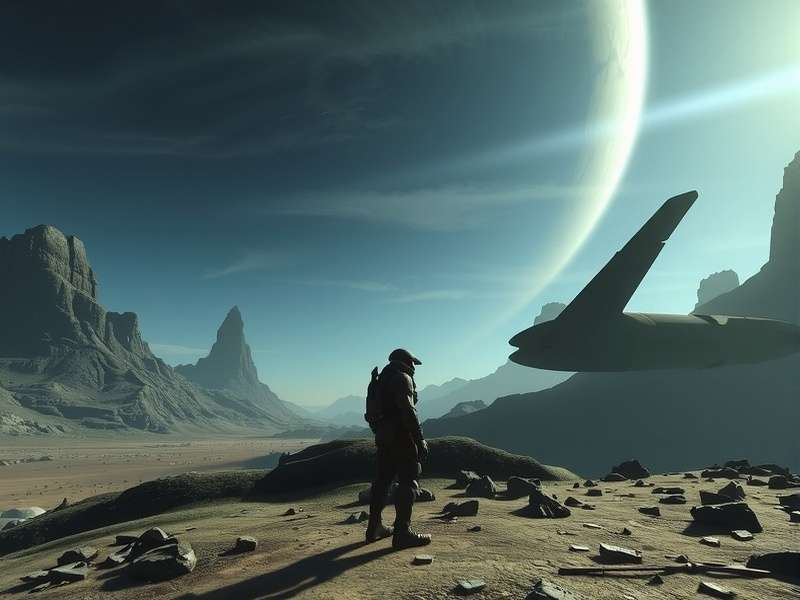
Fig. 2: The Harbinger's cryptic dialogue in this scene expands the Halo lore beyond the Human-Covenant conflict, teasing future narratives. © 343 Industries
🔮 The Ending & The Future: Ambiguity as a Weapon
The final cutscenes of Halo Infinite have sparked endless debate—a sign of effective storytelling. The defeat of the Harbinger is not followed by a clean victory lap. Instead, we get a series of contemplative scenes:
- The Weapon's Choice: In a beautifully animated scene, she chooses the name "Cortana," not as a replacement, but as an inheritance of purpose. The lighting here is key—warm and soft, a visual representation of closure and new beginning.
- Chief's New Mission: The final shot of Chief, armor still battered, looking out at the ring and the unknown threat (the "Endless" mentioned in audio logs), is a perfect bookend. It mirrors the iconic ending of the original Halo: Combat Evolved but replaces the stoic determination with a more complex, weathered resolve. He is no longer just a soldier; he is a guardian for his new AI and a symbol for the scattered Marines on the ring.
This open-ended conclusion is clearly designed to set the stage for the future of the franchise. The post-credit scene with Atriox awakening something ancient confirms that the story of Zeta Halo is far from over. These narrative threads will likely be explored in future campaign DLC or the evolving Halo Infinite co-op campaign experience.
📚 Deepen Your Halo Knowledge:
Halo Infinite Campaign Walkthrough Optimizing Halo Infinite for PC The Master Chief Collection Story Recap The Soundtrack of Multiplayer Mastering Your Career Rank🎬 Comparative Analysis: Infinite vs. Legacy Halo Cinematics
To appreciate the evolution, one must look back. Earlier Halo games relied heavily on cutscenes to deliver exposition and spectacle (e.g., the Warthog run sequences in Halo 3, the dramatic space jumps). Halo Infinite, while having its share of spectacle (the House of Reckoning intro), invests more in reaction shots and silent character moments. The technology allows for subtler facial animation, so the story can be told through a glance between Chief and The Pilot rather than a line of dialogue.
This represents a maturation of the medium, akin to the difference between a summer blockbuster and a character-driven sci-fi film. Both are valid, but Infinite's approach aims for a deeper, more resonant connection with its cast—a necessity after the sprawling, sometimes confusing narrative of Halo 5: Guardians.
Community Discussion on Halo Infinite Cutscenes
Join the conversation with fellow Spartans. Share your thoughts, favorite moments, and theories below.
"The 'We're not leaving him' scene with the Marines after taking down the first AA gun hit me hard. It's a small, player-triggered moment, but it perfectly encapsulates the shift from being the UNSC's ultimate weapon to becoming a symbol of hope for the survivors on the ring. The way the Marines look at Chief... chills."
"Great article! You touched on the audio, but I want to highlight the lack of music when Chief finds the Spartan armor lockers. Just the wind and his footsteps. Those silent cutscenes are more powerful than any epic choir. They force you to sit with the weight of the loss. Connects well to the themes in the wider Halo games universe."